
I’ve spent most of my life living about 10% outside my comfort zone, thriving on learning, new experiences, and situations that demand a strong growth mindset. At times, I’ve pushed myself too far, taking risks beyond my limits and learning where those boundaries truly lie.
Along the way, I discovered books that helped me navigate those situations when I felt like a complete failure, or when stress and anxiety got the better of me. They helped me shift my perspective and build more resilience, recognising that each failure was also an opportunity for growth. I learned to focus less on the destination, status and titles and find more joy in the journey I took and the people I took it with.
If you’re looking for that kind of help, a fresh new perspective on a challenging situation you’re learning to navigate, you may find these books useful too. Each of them, in its own way, offers great insights into shifting perspectives and embracing challenges and new opportunities in business, sport and life.
Fearless by Pippa Grange
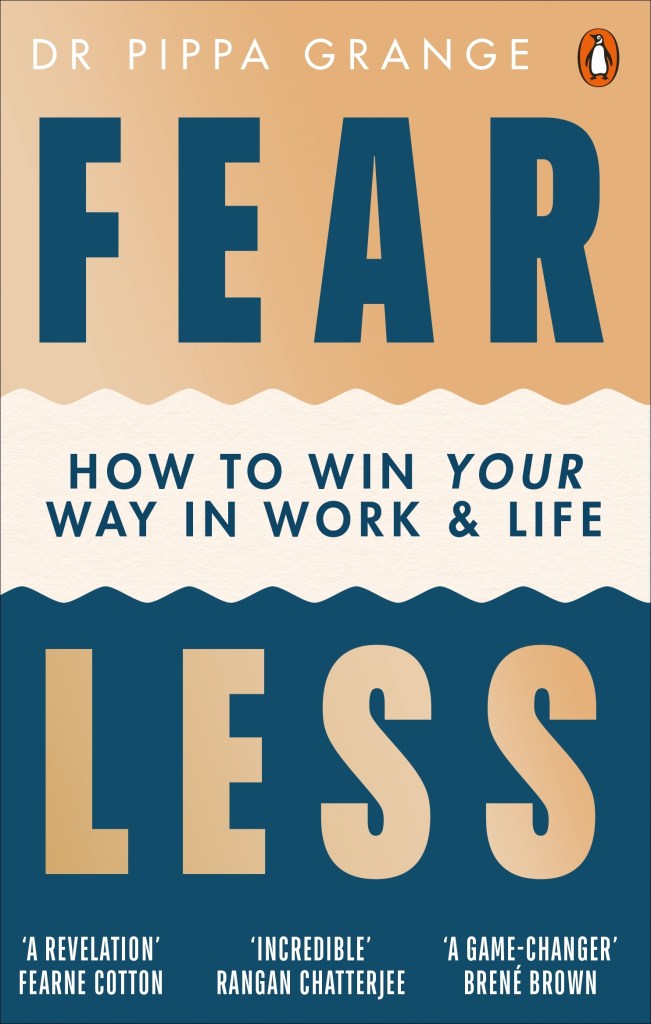
I first discovered Dr. Pippa Grange’s work when she featured as a guest in one of Brené Brown’s podcasts, and it was one of those moments where I paused the podcast, jumped onto Audible, and downloaded the audiobook. I listened to it pretty much non-stop the following day and finished it in 24 hours.
Dr. Grange is a renowned sports psychologist and culture coach. Drawing from her experience, including her role in improving the resilience of the England football team , she delves into the role of fear in our lives. She explores how hidden fears, manifesting as perfectionism, self-criticism, and anxiety, can hinder personal and professional fulfillment.
The stories she shares — about top athletes overcome with nerves, missing crucial penalties, about bullying and struggling with low self-esteem at work—struck a deep chord with me. I found myself re-listening to parts over and over, each time relating more to the experiences she describes. It’s one of those books that speaks directly to the heart, bringing insights that are applicable to everyday situations in any leadership role.
Why did I love Fearless?
The book encourages you to revisit your personal journey, to reconnect with the joy and passion that initially drove you, perhaps when you were a child, rather than obsessing over outcomes. It reminds you that to truly perform at your best, you need to shift your focus away from external pressures — like millions of eyes watching, or that promotion your boss thinks you should take — and instead, tap into the feelings you had when you were that small kid, playing with your friends for the pure love of the game. Think about that moment when you scored a goal with your mates and celebrated together.
It also sparks creativity, urging you to reconnect with your inner “why” and giving you permission to embrace it fully. It’s about rediscovering the heart and the fun in what you do, free from judgment or fear.
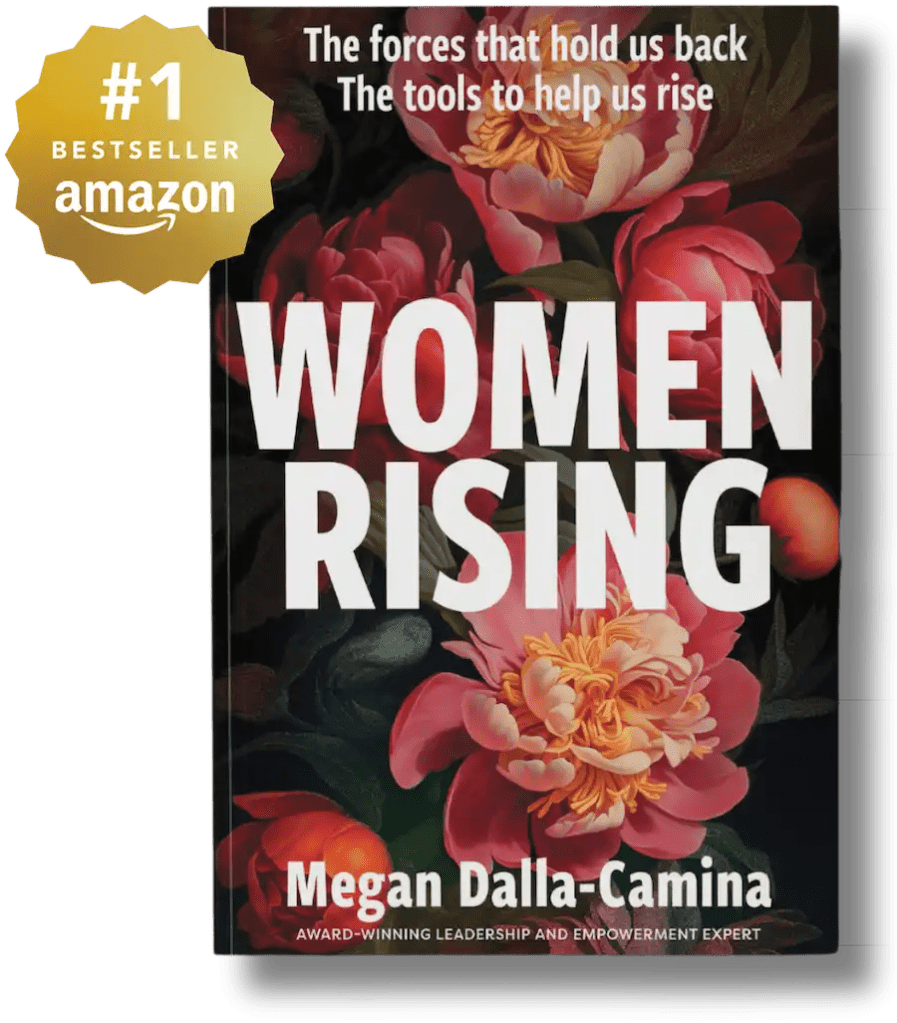
Women Rising by Megan- Dalla Camina
Megan’s journey felt deeply familiar—setting ambitious goals, pushing hard, hitting burnout, finding where your limits are and learning to set better boundaries. But what makes her story even more powerful? She did it all as a single mum, and she used that experience to inspire thousands of other women.
Her book, and a Microsoft-sponsored course in New Zealand, has been transformational for me. Every time I reflect on it, I find myself wishing it wasn’t just for women, but for anyone seeking balance, fulfillment, and purpose in both work and life. Men could benefit from reading this too!
The key takeaways: Clarity and Intention Matter
What does a 10 out of 10 day (and life!) look like for you? What truly matters? And what small changes can you make today to inch closer to that vision? Each time you negotiate a new role or take on more responsibility, do it with intention—aligning your choices with the life you actually want to build. It seems easier said than done, but I found time and time again that having the point of reference (the piece of paper where you’ve summarised what you actually want) is very handy!
Big Magic Creative Living Beyond Fear by Elizabeth Gilbert
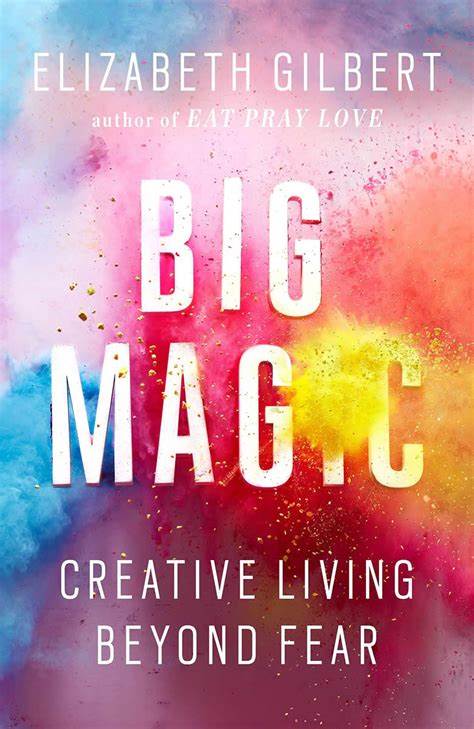
There is so much goodness in this book. It encourages people to embrace creativity for the joy of it, without being dependent on recognition, success or external validation such as publishing a book, selling a piece of art or getting that next promotion.
One of the key ideas in Big Magic is that a writer is someone who writes, not necessarily someone who is published, and an artist is someone who creates, not necessarily someone who sells their work, and a leader is someone who leads, not necessarily a CEO. Gilbert argues that creativity is an inherent part of being human, and we don’t need permission from the world to claim our creative identity. She encourages people to express themselves creatively for the sake of it—not for fame, money, or approval.
Why I liked it? Because it essentially gives you the permission to be what you love and be true to yourself…which turns out to be a good thing to remember (at work and in life!).
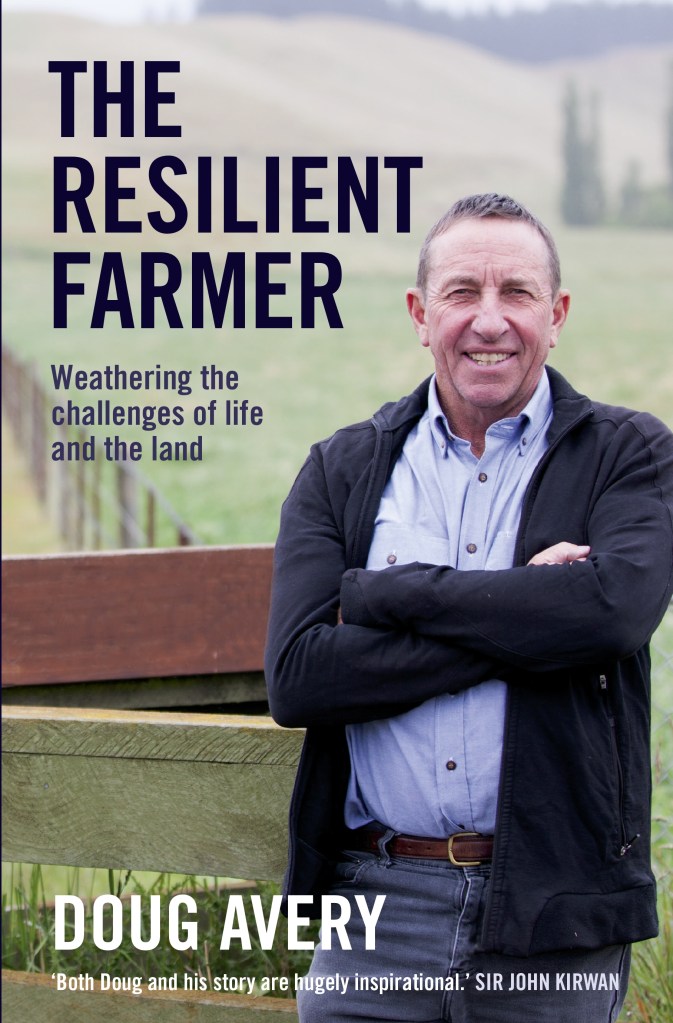
The resilient farmer by Dough Avery
I came across this book at my father-in-law Roger’s place. As a farmer, Roger is in a constant battle with the elements and markets — too much rain, too little rain, disease, rising input costs, and unpredictable demand. It is a unique challenge; you’re selling a product with little control over its price to markets that fluctuate widely, making success dependent on productivity gains, risk management, and, most importantly, mental resilience.
In The Resilient Farmer, Doug Avery shares his journey of transformation from traditional farming to a more sustainable approach, focusing on water management and mindset shifts. After enduring severe droughts that took a toll on both his business and mental well-being, Avery realized adaptation was essential.
A turning point came when a plant scientist reframed his perspective — not as a livestock farmer but as someone fundamentally “farming water.” This insight reshaped his approach, leading to changes in both his farming methods and his outlook on life.
My own reflection on this book: In building a strategy for a business, prioritising where we focus our effort and where we invest, I keep coming back to this book to reflect – “What are we in the business of” and how we need to adapt our thinking for each market? What market need is most critical for us to address? And is technology the only way to address this?
While this book is about farming, it offers strategies that are just as applicable to a corporate role in any industry. Gumboots are not the pre-requisite footwear here.




 Scaling Beyond
Leave a comment